-
The Full-Stack Campaign, Part II: The Bones of the Realm – Writing Semantic HTML That Holds
There is a moment in every campaign when the map stops being theory and becomes terrain. In Part I, I charted the world as the browser sees it, a living system that interprets, corrects, and occasionally forgives. That was the map. This is where I start building on it. A map without structure is just suggestion. If Part I defined the shape of the world, Part II defines what stands within it. This is where the bones of the realm are laid down. This is where intent becomes structure. This is where semantic HTML begins to matter in a way that no amount of styling can compensate for later. I…
-
Forms, Validation, and Trust: Guarding the Gates of the Digital Realm
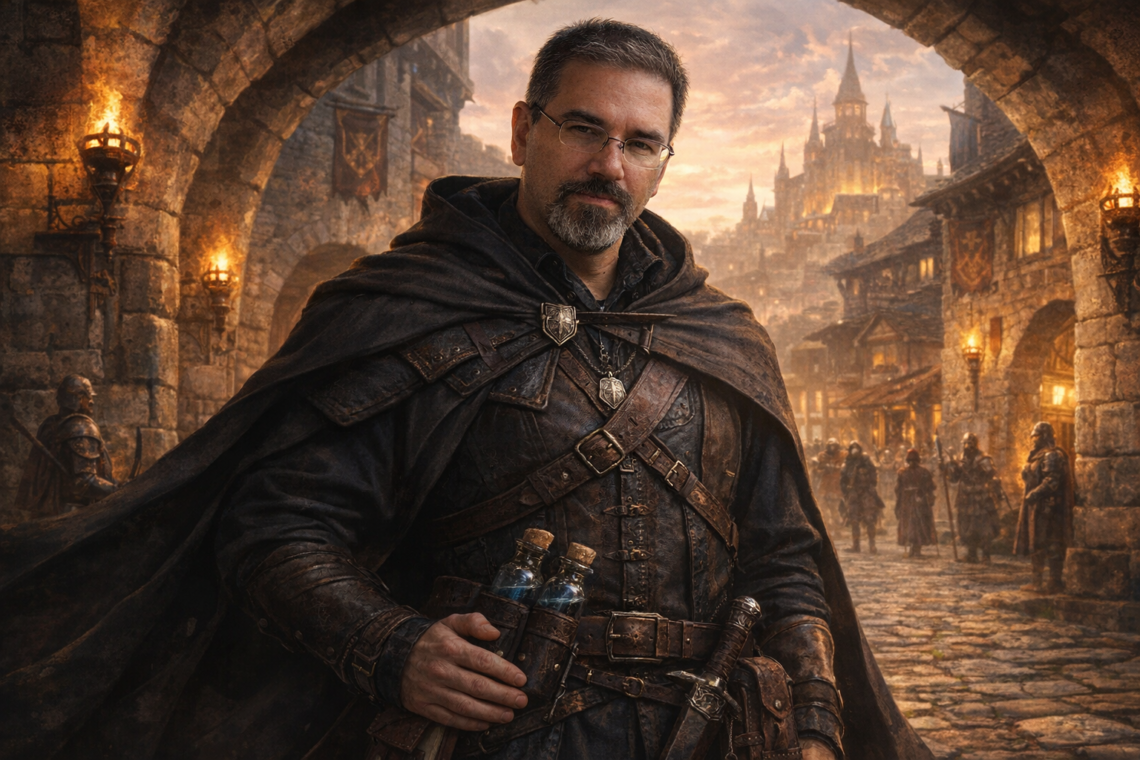
When I build a form, I no longer see text inputs and buttons. I see the gates of a city. On one side stands a traveler. On the other side stands my application. Between them is a portcullis made of HTML, guarded by validation rules, warded by server logic, and lit by the flickering torches of user feedback. If I design it poorly, the traveler turns away. If I design it carelessly, something darker slips through. Forms are not paperwork. They are the social contract of the web. They are where trust is negotiated. And in my experience, trust is the most powerful magic in any system. The Gatehouse: Structure…