-
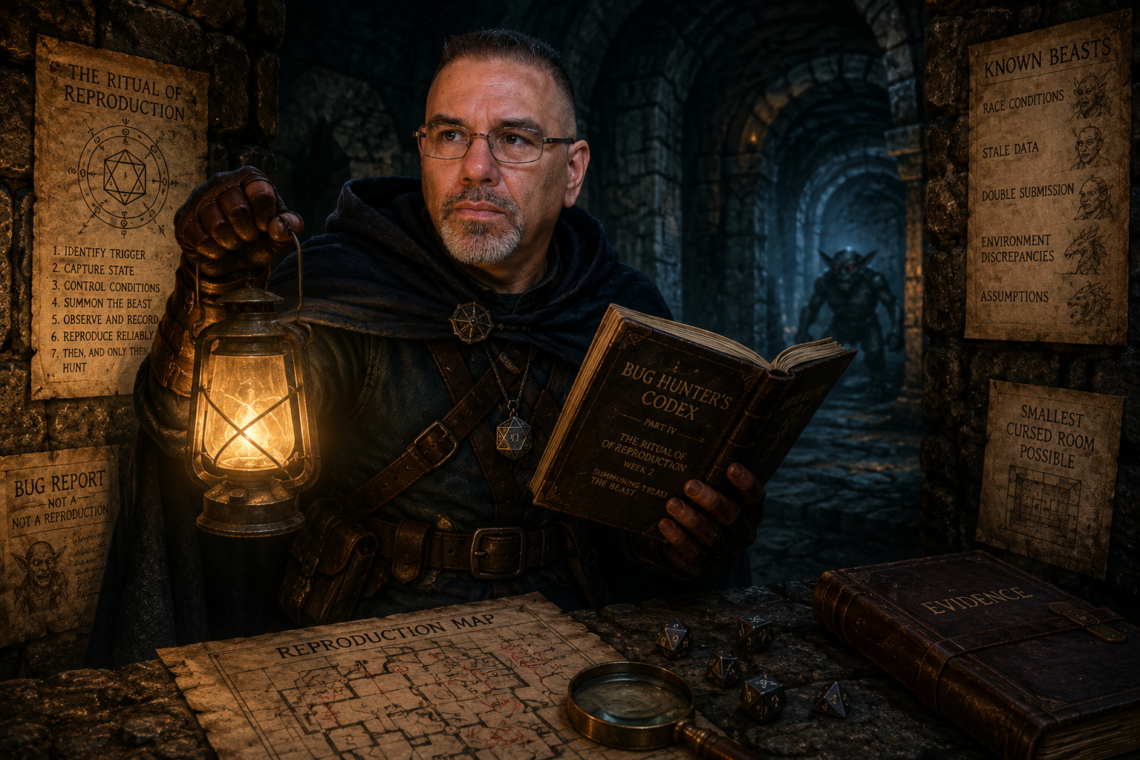
The Bug Hunter’s Codex, Part IV: The Ritual of Reproduction
No creature can be slain if it cannot be summoned. Control the conditions, or remain in the dark. When young developers first begin hunting bugs, they often believe the battle begins at the moment something breaks. A button fails, a form behaves strangely, an API returns nonsense, and immediately they reach for their weapons. They open files at random, scatter console logs across the codebase like breadcrumbs tossed into a storm, and begin changing conditions in hopes that luck will reveal the answer. I understand the instinct. When a creature has already wounded the village, urgency feels noble. Yet experience has taught me something far less dramatic and infinitely more…
-
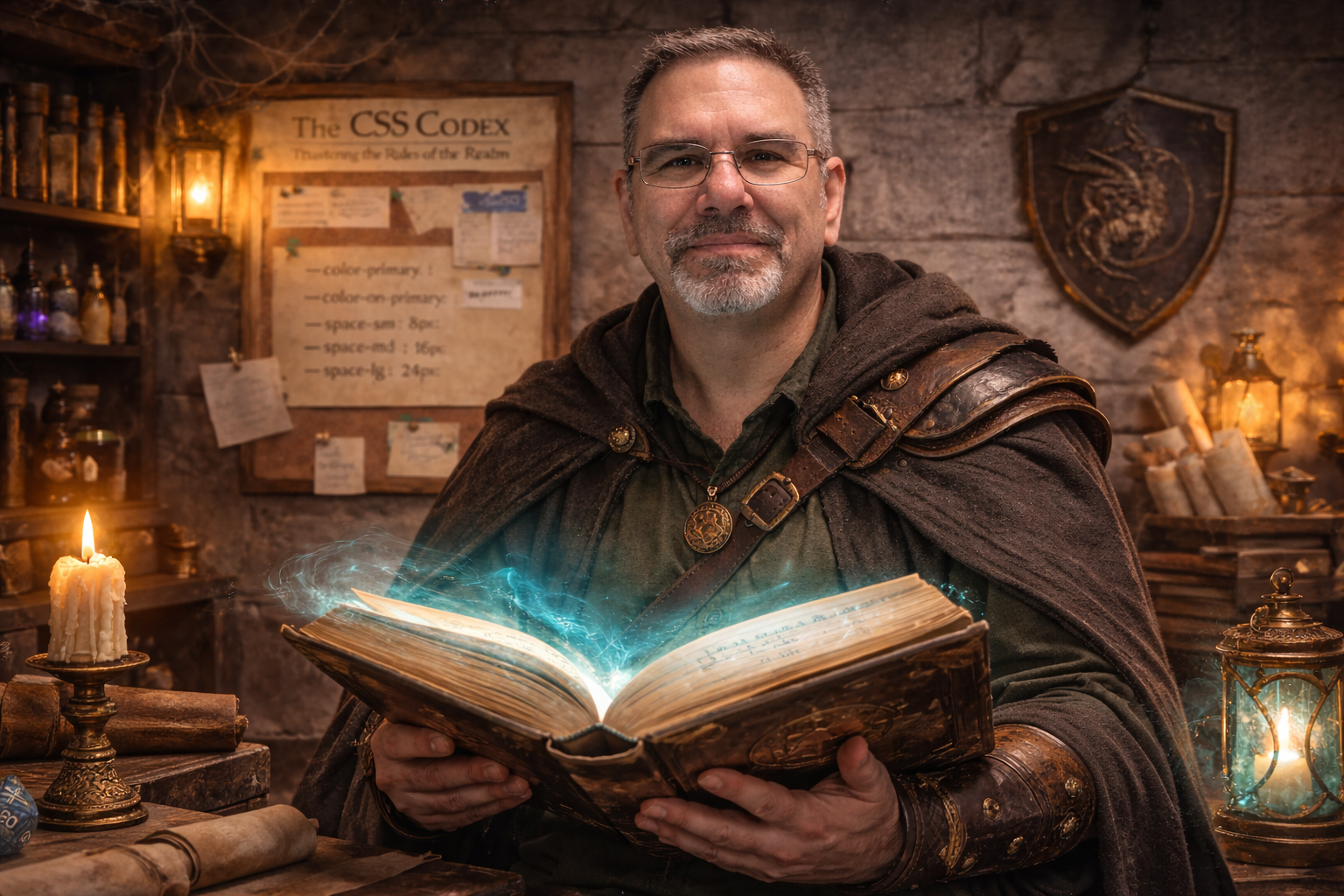
The CSS Codex, Part XI: Refactoring the Spellbook
I remember the moment I realized my stylesheet had turned against me. Not in some dramatic, catastrophic way, but in that quiet, insidious way where every small change required just a little more effort than it should. A color adjustment meant hunting through half a dozen selectors. A layout tweak broke something three components away. The cascade, once a trusted ally, had become unpredictable. It felt like opening a spellbook I had written myself and realizing I could no longer follow my own incantations. That is the moment refactoring begins. Refactoring is not about starting over. It is not about rewriting everything into something cleaner for the sake of aesthetics.…
-
Debugging a Layout Bug That Wasn’t CSS
I thought it was CSS.Of course I did. When a layout breaks, CSS is the usual suspect—the rogue with its hood up, pretending it didn’t touch anything. Margins collapse, flex items misbehave, something refuses to center even though you swear it’s centered. We’ve all been there, tightening selectors and muttering !important like a forbidden incantation. This time, the UI looked wrong in a way that felt familiar. A component was shifting unexpectedly. Spacing felt off. Elements that should have been aligned were… not. The kind of visual wrongness that whispers, “Your box model is haunted.” So I did what any seasoned adventurer does at the start of a dungeon: I…